Understanding the psychology behind gambling why risk intrigues us
Understanding the psychology behind gambling why risk intrigues us
The Allure of Risk
The excitement of risk is a powerful force that draws people to gambling. Whether it’s the thrill of placing a bet or the anticipation of a potential win, the psychological thrill associated with risk-taking can be intoxicating. This feeling often stems from the human brain’s reward system, which releases dopamine—a neurotransmitter linked to pleasure—when we engage in high-stakes activities. For a deeper understanding of this phenomenon, you can go to site and explore various insights.
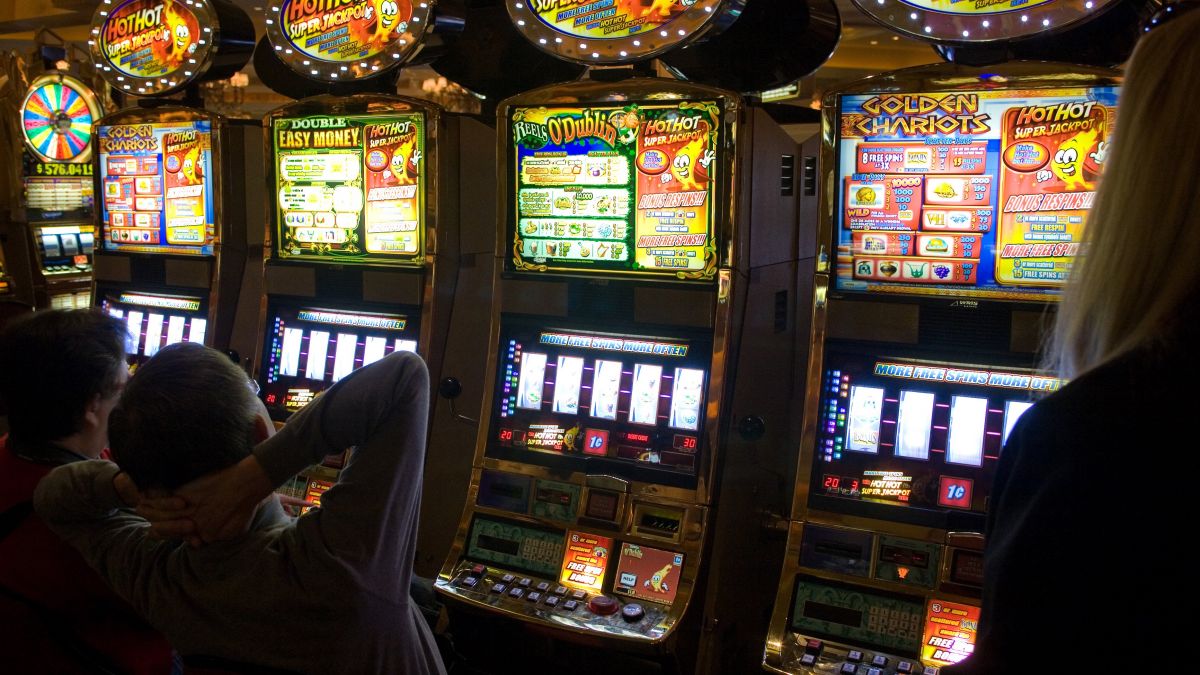
Moreover, the uncertainty of outcomes heightens this intrigue. With every roll of the dice or turn of a card, players experience a rush of adrenaline that can lead to a heightened state of euphoria. This sensation is often why individuals find themselves drawn back to gambling, time and time again, despite knowing the odds are typically against them.
Cultural Perspectives on Gambling
Gifting gambling a unique place in various cultures enhances its allure. For some societies, gambling is a celebrated tradition, interwoven with social rituals and communal gatherings. In these contexts, engaging in games of chance is seen not just as a form of entertainment but also as a means to foster connections and build relationships.
Conversely, in cultures where gambling is stigmatized or considered taboo, the allure of risk can become even more enticing. The act of defying societal norms brings a thrill in itself, turning gambling into a form of rebellion. Such dynamics illustrate how cultural perspectives significantly shape our understanding and attraction to gambling.
The Role of Cognitive Biases
Cognitive biases play a crucial role in how individuals perceive risk in gambling. One prevalent bias is the illusion of control, where players believe they can influence outcomes through skill or strategies, even in games of chance. This misconception can encourage further gambling, as players think they have a better chance than they actually do.
Another common bias is the gambler’s fallacy, which leads individuals to believe that past events influence future outcomes. This bias can cause players to chase losses, expecting that a win is “due” after a series of defeats. Understanding these cognitive traps can shed light on why many continue to gamble despite the odds stacked against them.
Addiction and Compulsive Behavior
The psychological effects of gambling can sometimes lead to addiction. The euphoria associated with wins, combined with the pursuit of that feeling, can lead to compulsive gambling behavior. For some individuals, the act of gambling becomes a coping mechanism, providing an escape from stress or personal issues.
Recognizing the signs of gambling addiction is crucial for intervention. Symptoms include a constant preoccupation with gambling, increased tolerance, and withdrawal symptoms when not gambling. Understanding the psychology behind these behaviors can aid in developing strategies for responsible gaming and recovery.

Exploring Online Gambling Resources
As the landscape of gambling continues to evolve, online platforms have emerged as a popular way to engage with games of chance. These platforms offer a wealth of resources, including expert reviews, comparisons, and tools that cater to both novices and seasoned players. By providing insights into popular games and responsible gaming practices, these resources promote a safer gambling experience.
Joining the online gambling community allows individuals to explore a variety of games while understanding the significance of playing responsibly. Whether seeking quick cashouts or enticing bonuses, players can benefit from the structured guidance offered by reputable sites, ensuring a fulfilling and secure gambling experience.
